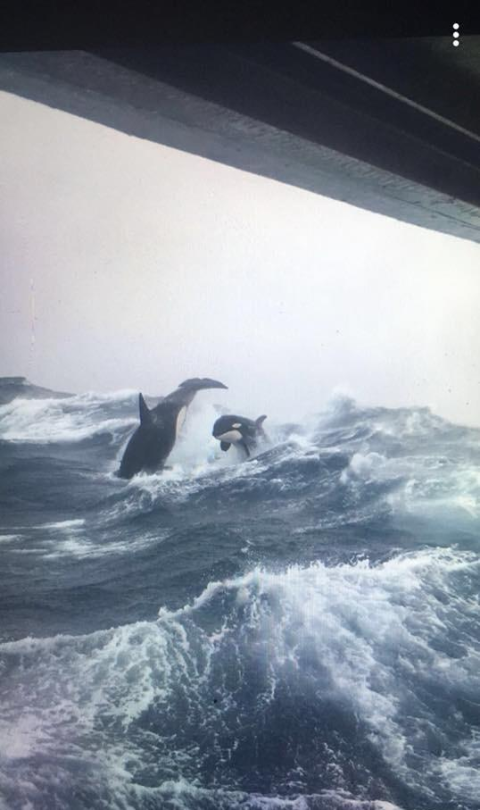
where the sea meets the shore is your domain; and where the sea meets the sky also. walk the pathways of light over water. let the mists roll out of your hands until they’re so thick you can touch them. play tricks; play games; give a home to monsters and misfits. and when the seas grow stormy, do not fear–for, son of the sea, the ocean could never harm you: there are tides in your blood.
brigid, the slam poet, working woman, and community medic. the firebrand who does it all.
the morrígan, watching, waiting. striking down corrupt rulers where they stand. rallying protestors in the streets.
manannán mac lir, wanderer who blesses those kind enough to spare a dollar. who blesses the fringes of society. who keeps us afloat in dark times.
the dagda, ladling soup from a cauldron that never runs dry- giving out water bottles in sweltering summer heat, and warm blankets to fend off winter’s chill.
aengus óg, blessing lovers’ bonds the world over. in brightly lit pride parades and midnight alleyways alike.
the tuatha dé danann have always been hard to grasp: we see them not always in the epics but in the turn of the earth. in land, sea, and sky.
they might not be all-present, but they have always been here.
The myth the piece is based on is Altram Tige Dá Medar, The Fosterage of the House of the Two Pails.
The version of the story as it’s recorded is really Christianized, and just on the whole a really wild ride throughout.
But one of the surprising bits in this text is that
Manannán is implied to either be South Asian himself or extremely into South Asian culture. He imports two magnificent cows from India, which is what gets the plot rolling, cooks healing food with exotic spices, and talks about how awesome India is. And all this is straight out of the Book of Fermoy, which usually dated to the 15th century.
So yeah. Besides the fact that Manannán is a shapeshifter capable of looking however he wants, he’s actually used as an explicit example of cultural exchange in medieval Irish literature.